
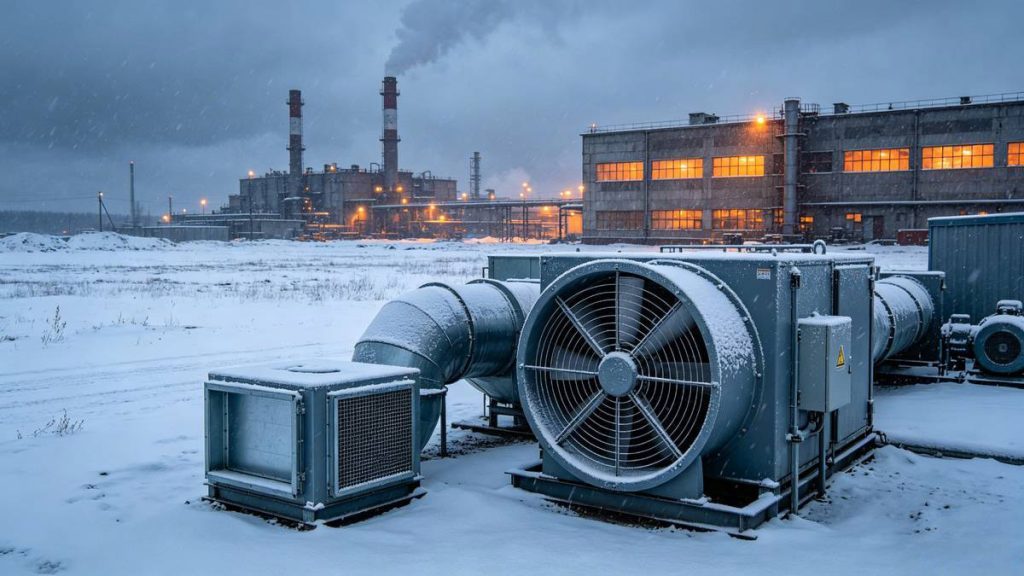
Summary: A large number of infrastructure, energy, industrial and municipal projects are underway in Russian Siberia and Kazakhstan. The region faces extreme winter cold, huge day-night temperature swings, and in some areas dust and salt-spray corrosion, imposing stringent requirements on ventilation and fire-protection equipment. Procurement feedback shows that low-temperature start-up, housing corrosion resistance and dust-proof capability have become key evaluation criteria in project tenders. Inquiries and intended orders for customized HVAC products adapted to harsh cold climates continue to rise.
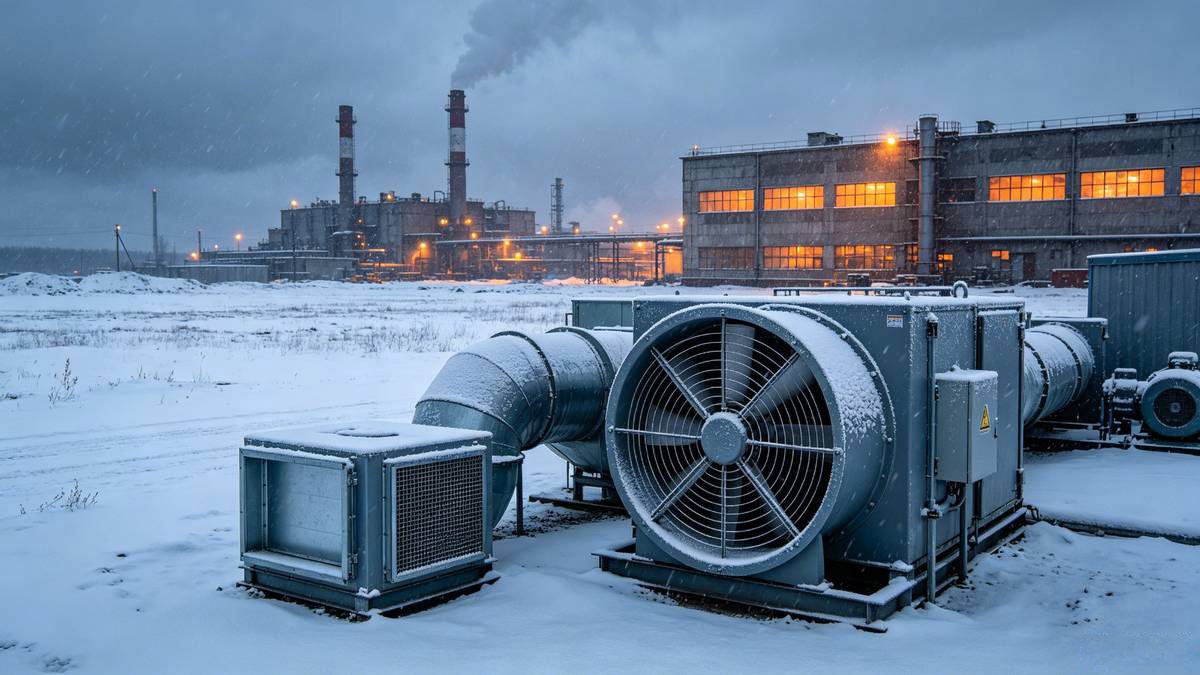
A large number of infrastructure, energy, industrial and municipal projects are continuously launched in Russian Siberia and Kazakhstan. The region experiences extreme winter low temperatures, significant day-night temperature differences, and in some areas dust and salt-spray erosion, imposing stringent operational requirements on ventilation and fire-protection equipment.
Procurement-side feedback indicates that for fans, dampers and air outlets, low-temperature start-up performance, housing corrosion resistance grade and dust-proof capability have become key evaluation criteria in project tender documents. Standard room-temperature models can no longer meet project technical thresholds. Inquiries and intended orders for customized HVAC fire-protection products adapted to harsh cold climates continue to grow recently.
Core Technical Requirements for Cold-Climate Operation
For local projects, equipment must address the following practical pain points:
Key Checklist for Exporters
- Low-temperature start-up: Motors must reliably start below -40°C; bearing grease must be low-temperature专用 grade to avoid cold-start seizing.
- Low-temperature resistant seals: Rubber seals tend to become brittle and fail in extreme cold; silicone or fluororubber materials are recommended.
- Housing anti-corrosion & salt-spray resistance: Some industrial zones in Kazakhstan and northern Russian coastal areas have salt-spray corrosion; housings require epoxy coating or galvanizing.
- Dust and sand ingress protection: Central Asia has frequent sandstorms; motor junction boxes and bearing housings need elevated IP rating, recommended IP54 or above.
- Climate execution standard: Prioritize УХЛ (cold-resistant) series configurations to avoid field operation failures.
Market Background
Central Asia has a pronounced continental climate, with winter temperatures dropping below -40°C and hot summers, plus dusty conditions in some areas. Local HVAC production capacity is insufficient, and a large volume of equipment relies on imports. Demand for Chinese fans and dampers continues to grow. With deepening China-Russia and China-Kazakhstan economic cooperation, cross-border rail freight volumes keep rising and logistics channels are increasingly smooth, providing favorable conditions for Chinese HVAC fire-protection equipment exports to Central Asia.
For exporters, proactively developing low-temperature anti-corrosion product lines, completing EAC certification, and establishing local dealer service networks will be key to capturing the Central Asian cold-climate project market.