

1. Overview of Motorized Volume Damper
1.1
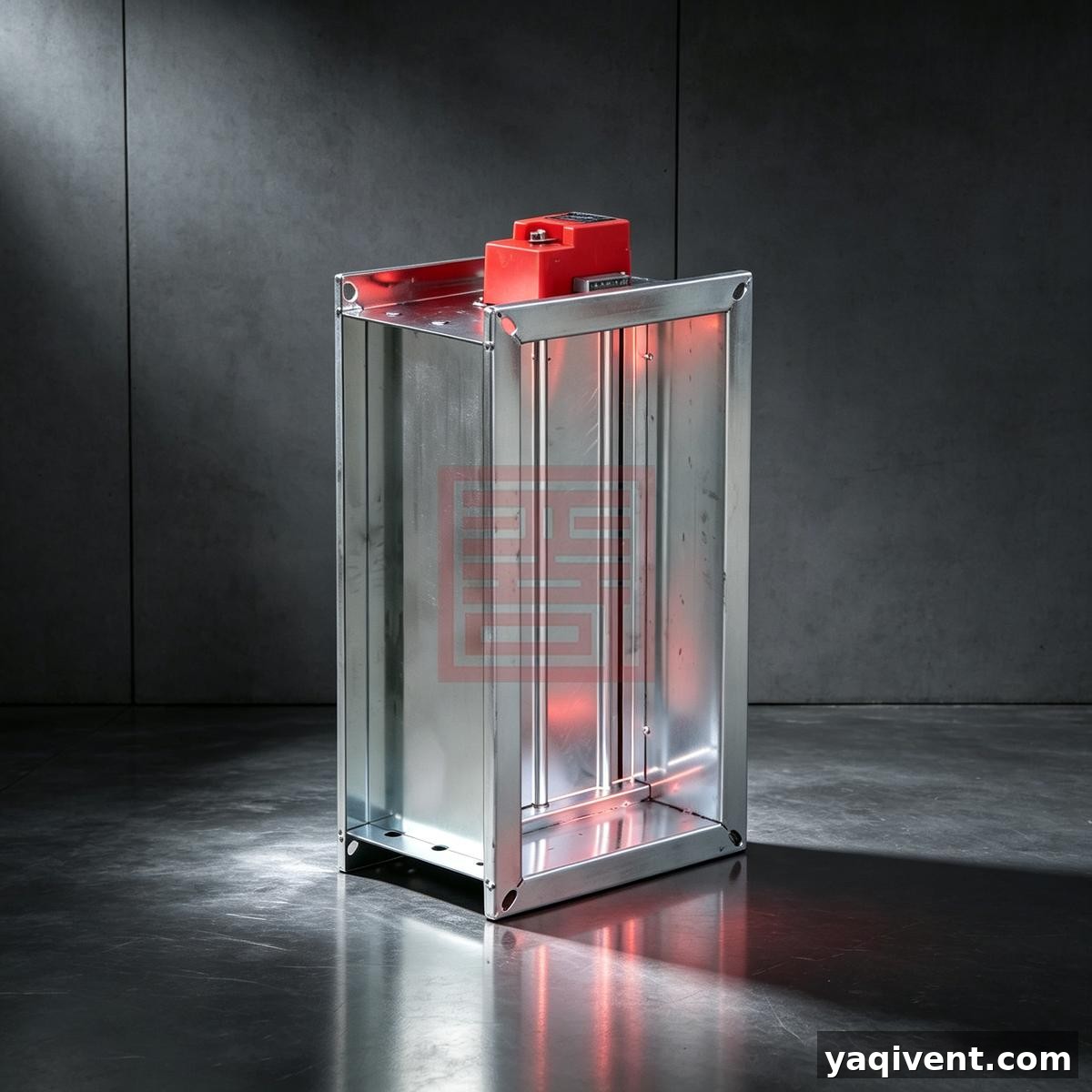
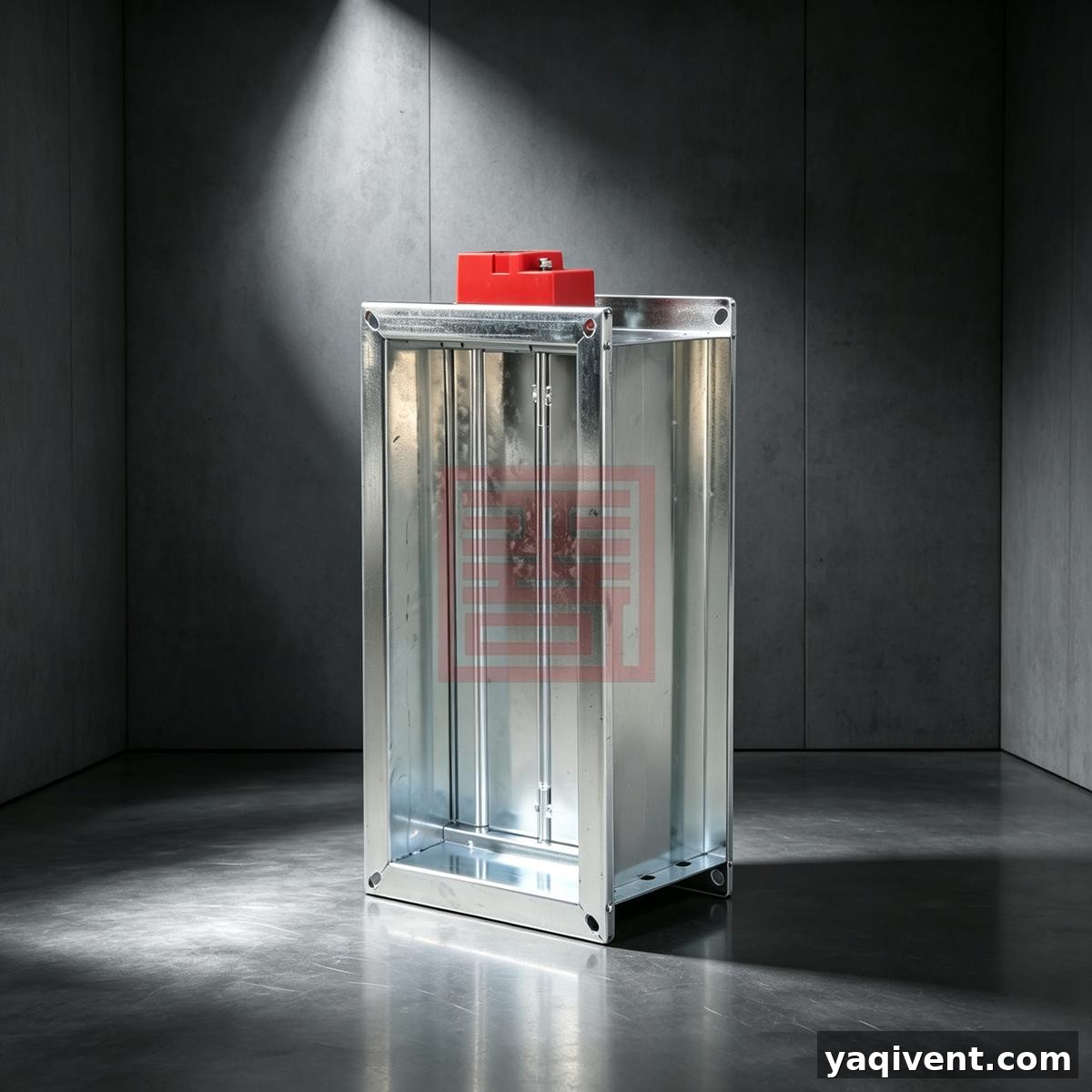
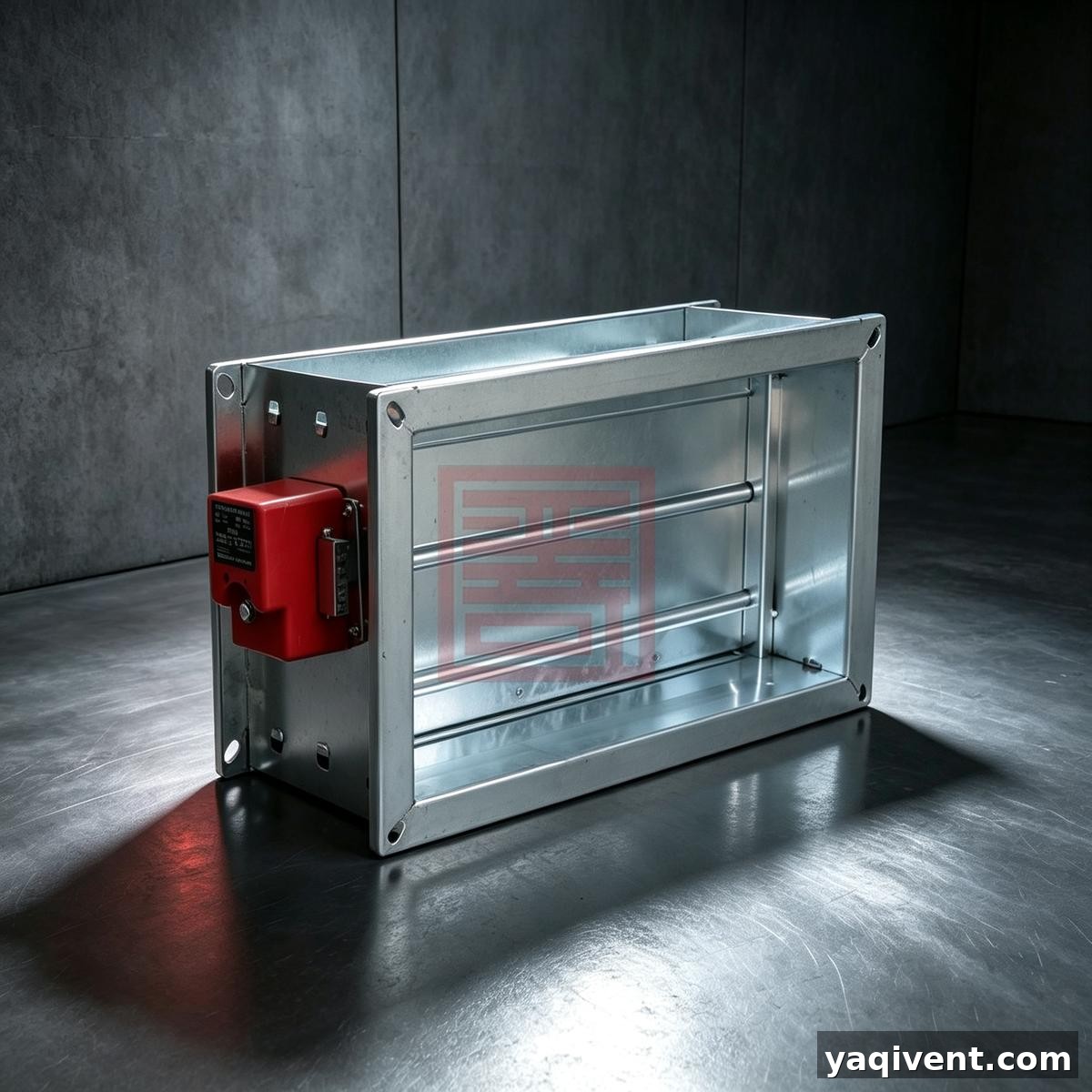
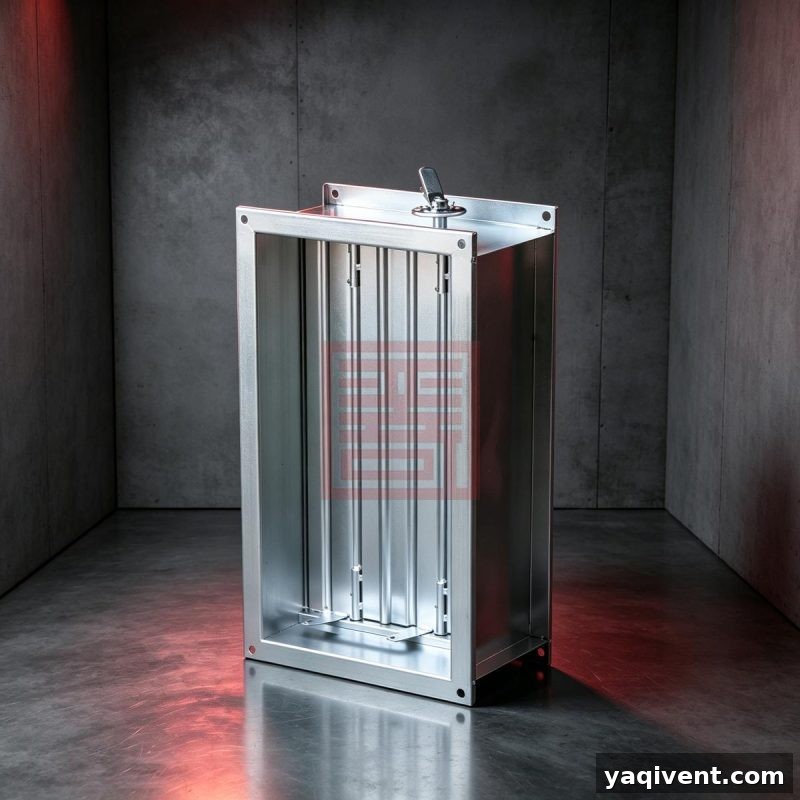
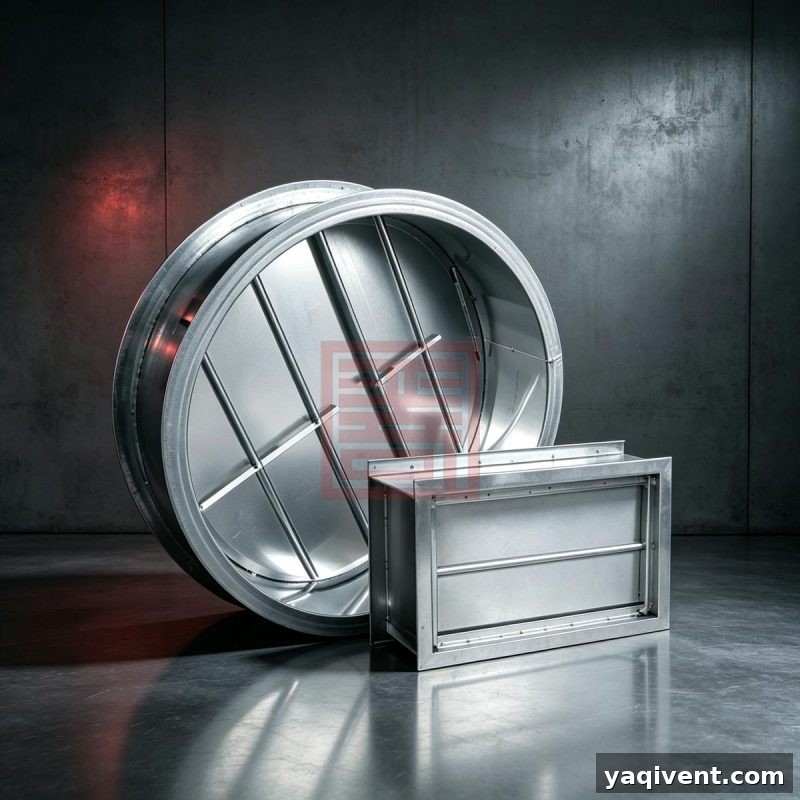
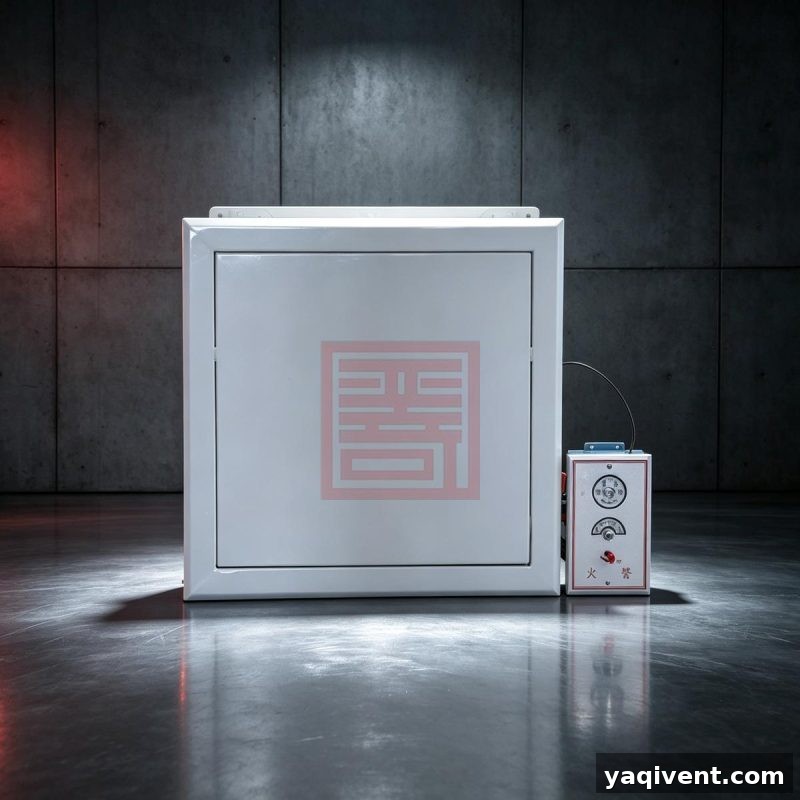
Motorized volume damper belongs to general‑ventilation damper, equipped with electric actuator for remote automatic air‑volume regulation in HVAC duct systems, also for full opening and full closing of ductwork. The actuator receives control signals to drive blade rotation and change ventilation cross‑section for airflow adjustment, compatible with building management system. Available in complete sizes including rectangular and round types.
‑ Motorized Opposed‑blade Multi‑louver Damper: Adjacent blades rotate oppositely for uniform air‑volume adjustment, widely used for rectangular ducts. On‑off or modulating actuator optional. ‑ Motorized Parallel‑blade Multi‑louver Damper: Blades rotate in same direction, mainly for duct on‑off and coarse air‑volume adjustment. ‑ Motorized Butterfly Damper: Single rotating disc for round ducts, simple structure for duct cut‑off and rough regulation.
1.2 Product Classification
‑ By structural shape: Rectangular type, Round type. ‑ By blade type: Opposed‑blade multi‑louver, Parallel‑blade multi‑louver, Butterfly damper. ‑ By actuator type: On‑off type, Modulating type(0‑10V / 4‑20mA signal).
2. Operating Conditions for Motorized Volume Damper
Operating temperature: ‑20 ℃ ~ +80 ℃ Relative humidity: less than 90% Medium condition: General ventilation air; anti‑corrosion version for dust‑free corrosive gas.
Power supply: AC220V / DC24V.
3. Motorized Volume Damper Configuration
3.1 Standard Components
‑ Damper body ‑ Blade assembly ‑ Rotating shaft ‑ Electric actuator ‑ Connecting flange
3.2 Optional Accessories (please specify requirements upon order)
‑ Position feedback device ‑ Sealing gasket ‑ Anti‑corrosion coating ‑ FRP anti‑corrosion damper body
4. Manufacturing Process of Motorized Volume Damper
4.1
Damper body and blades are fabricated from galvanized steel sheet. Blades are fitted with stiffeners for higher rigidity. Rotating shafts adopt wear‑resistant bushings for smooth jitter‑free rotation. Electric actuator is firmly connected to valve shaft. Anti‑corrosion dampers adopt anti‑corrosion coating or FRP construction.
4.2
Damper flange is integrally bent to form flat mating surface for easy duct connection.
Reviews
There are no reviews yet.