
1. Overview of Pressurization Air Supply Outlet
1.1
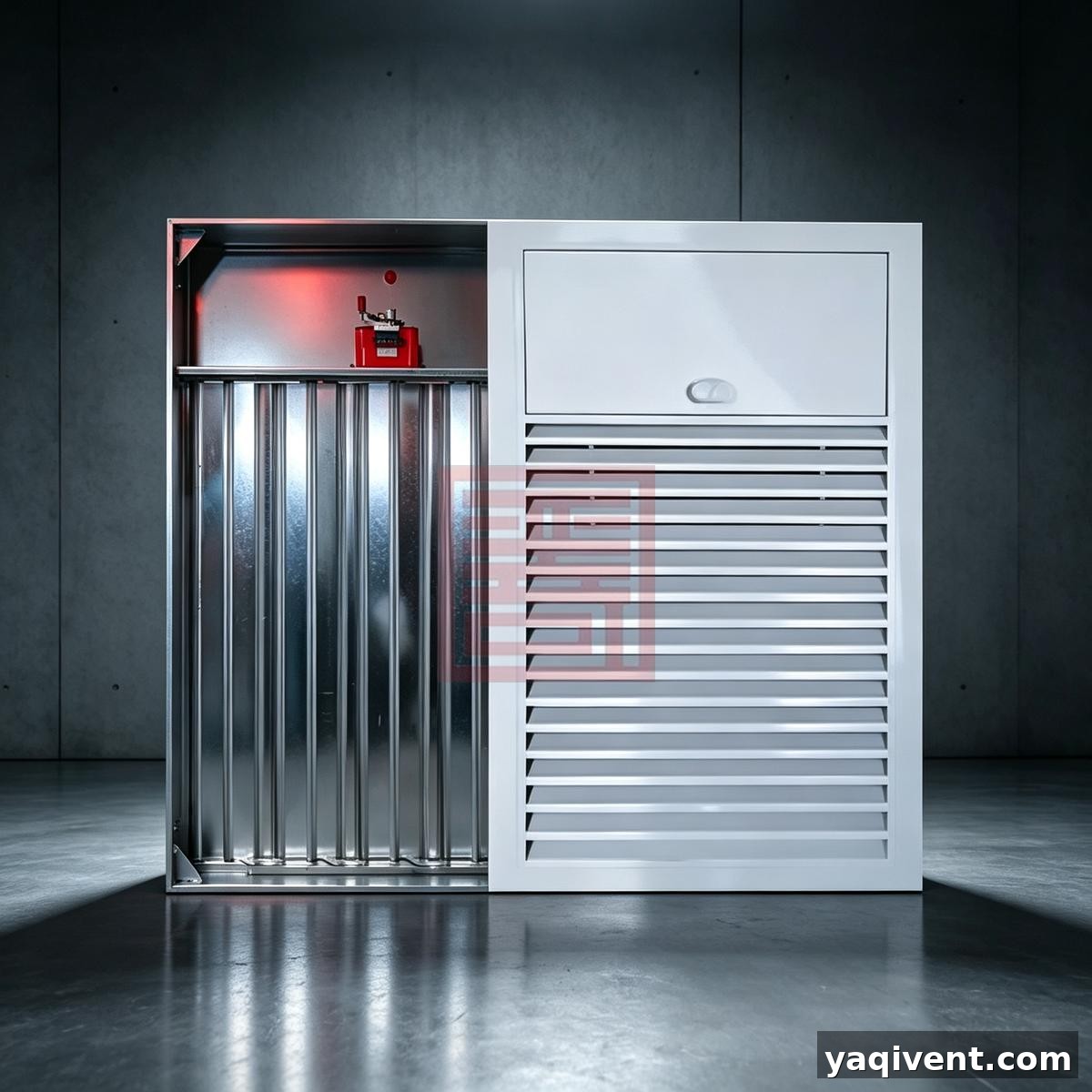
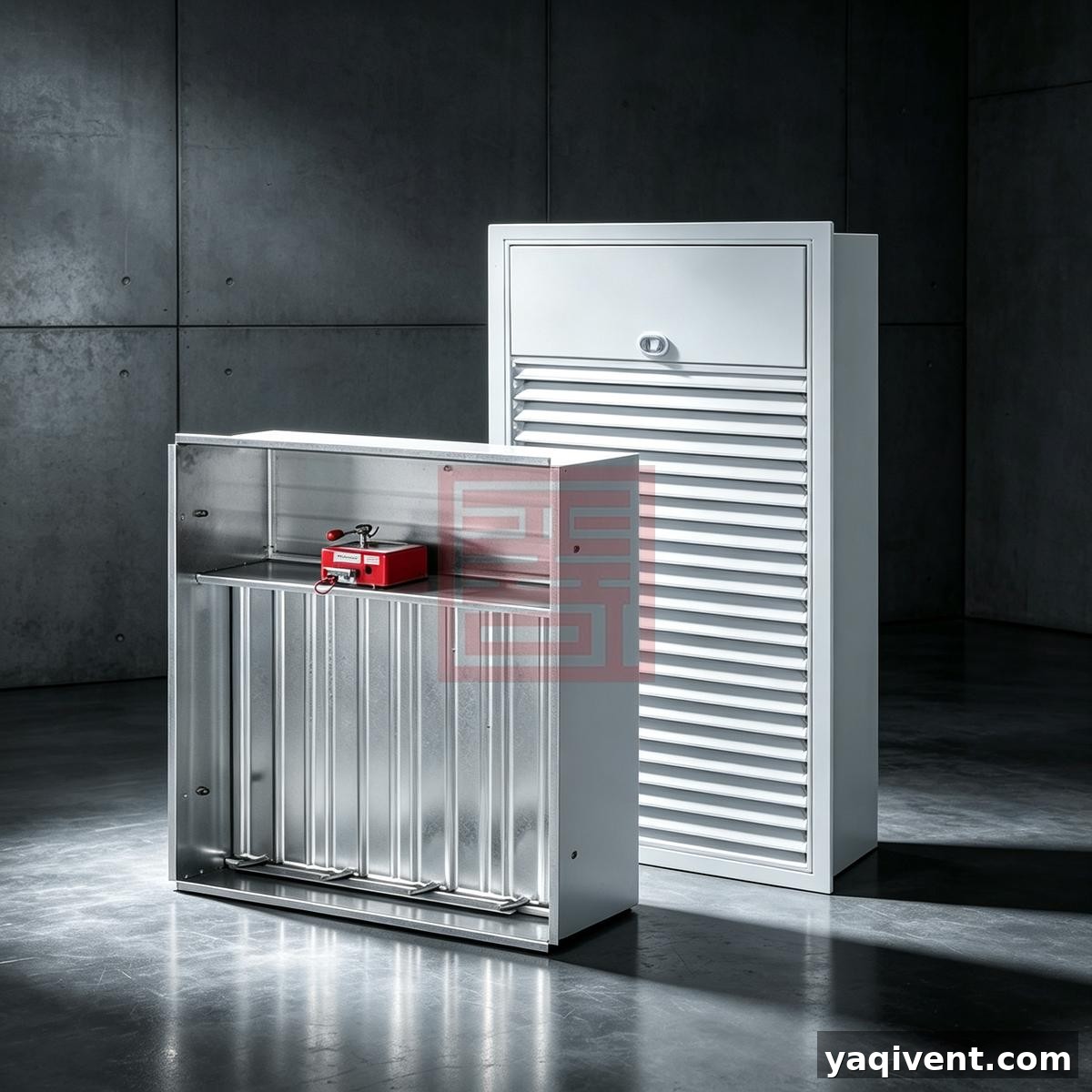
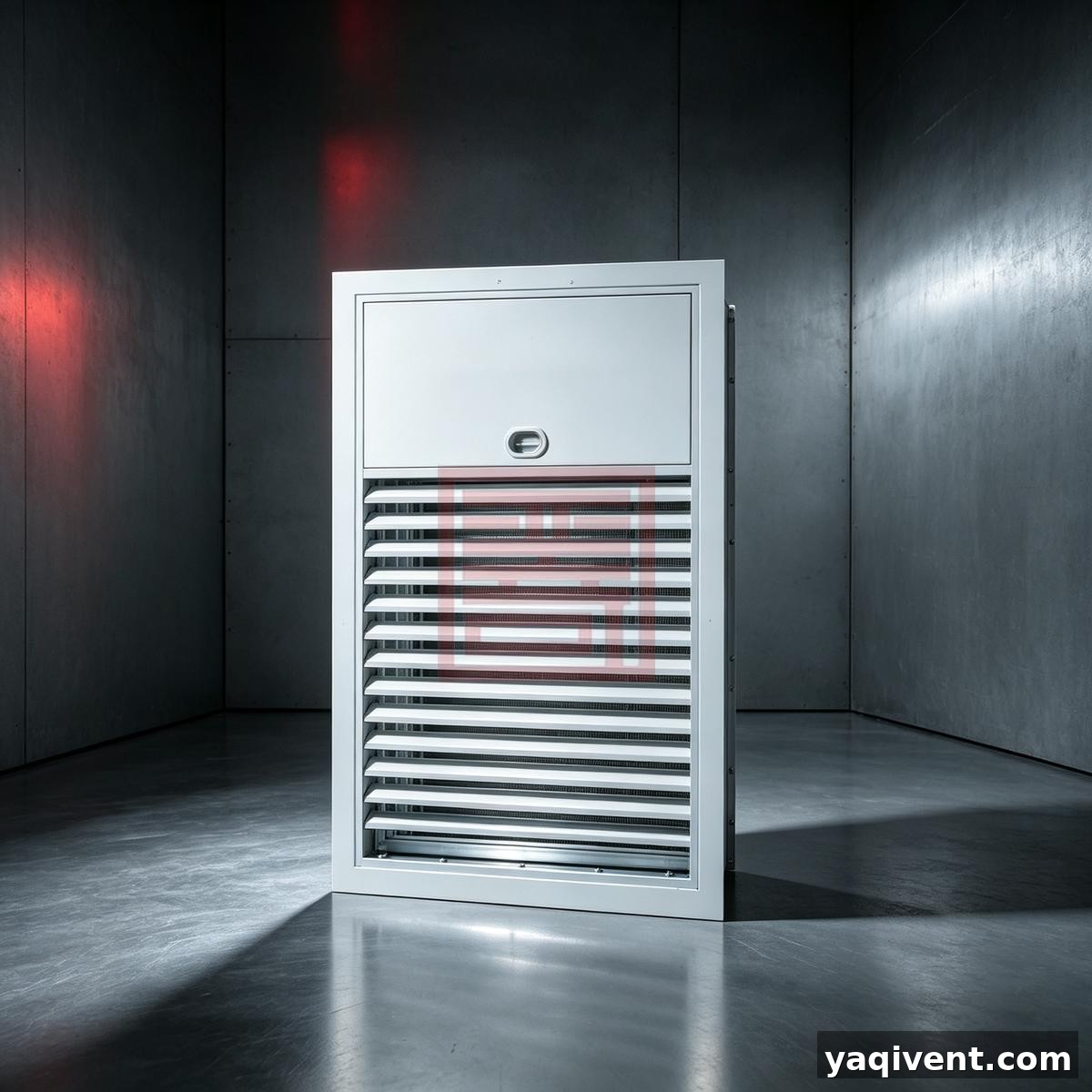
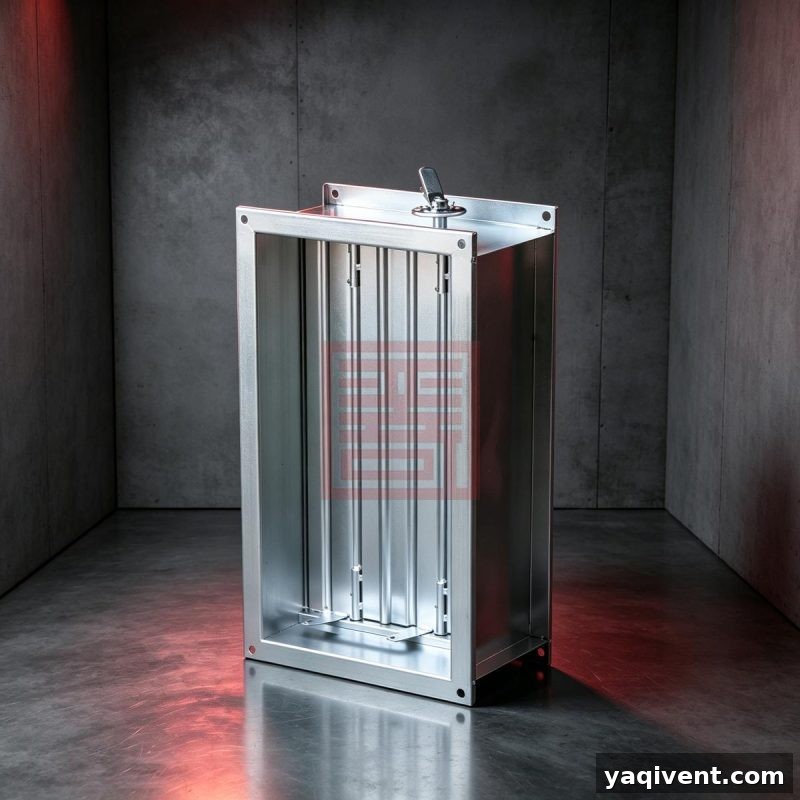
Pressurization air supply outlets are installed in fire‑protected stairwells and antechambers for pressurized air supply. It remains closed under normal conditions. In case of fire, it opens automatically upon receiving DC24V fire‑control signal, and can also be manually opened on‑site. It delivers pressurized fresh air to evacuation passages to build positive pressure and prevent smoke from entering escape routes. Manual reset is required after fire emergency. Mainly supplied in rectangular shape for various pressurized air‑supply ducts.
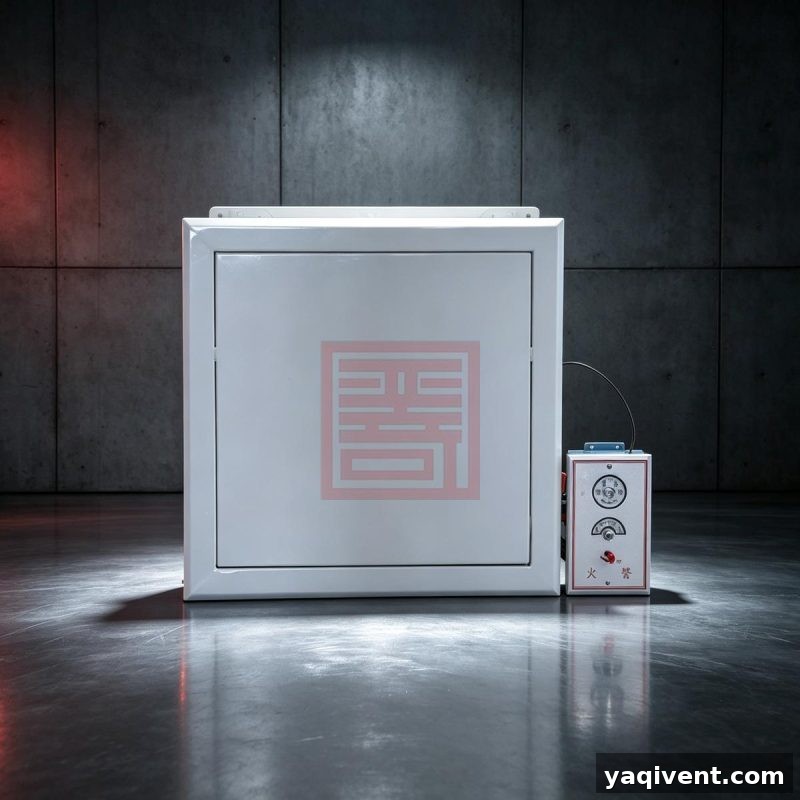
‑ Standard Pressurization Air Supply Outlet: DC24V electric opening, manual reset, for pressurized air supply of stairwells and fire antechambers. ‑ Signal‑feedback Pressurization Air Supply Outlet: Sends open‑position feedback signal to fire control panel after actuation. ‑ Remote‑control Pressurization Air Supply Outlet: Fitted with remote actuator for remote manual opening and resetting, suitable for high‑mounted positions with difficult on‑site operation.
1.2 Product Classification
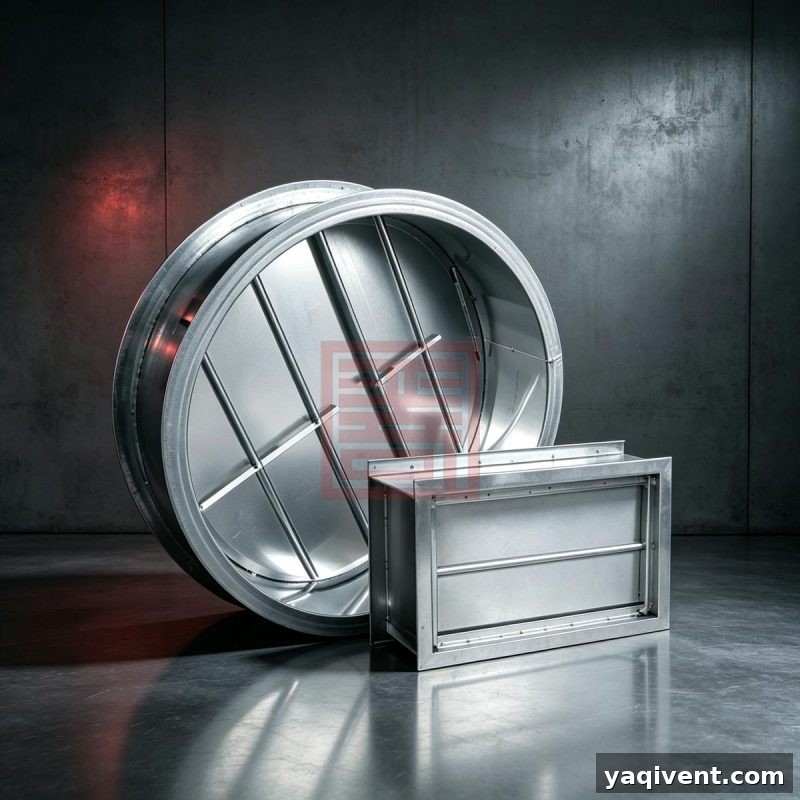
‑ By structural shape: Rectangular type. ‑ By functional configuration: ‑ Standard Type: DC24V motor‑driven opening, manual reset. ‑ Signal‑feedback Type: Electric opening with position feedback signal output. ‑ Remote‑actuator Type: Supports remote manual opening and reset.
2. Operating Conditions for Pressurization Air Supply Outlet
Operating temperature: ‑20 ℃ ~ +80 ℃ Relative humidity: less than 90% Medium condition: Fresh air for pressurized supply.
Power supply: DC24V for electrically‑actuated models.
3. Pressurization Air Supply Outlet Configuration
3.1 Standard Components
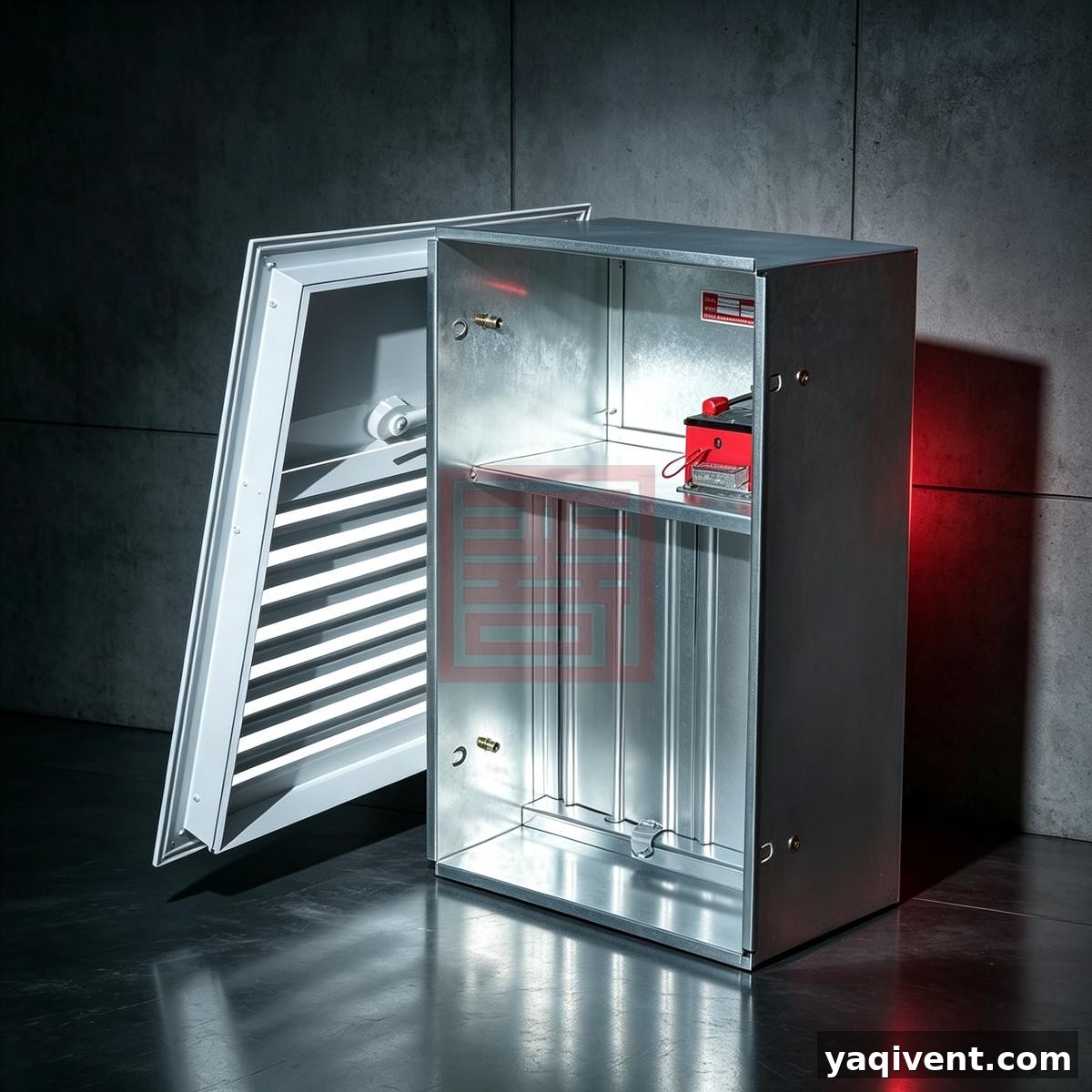
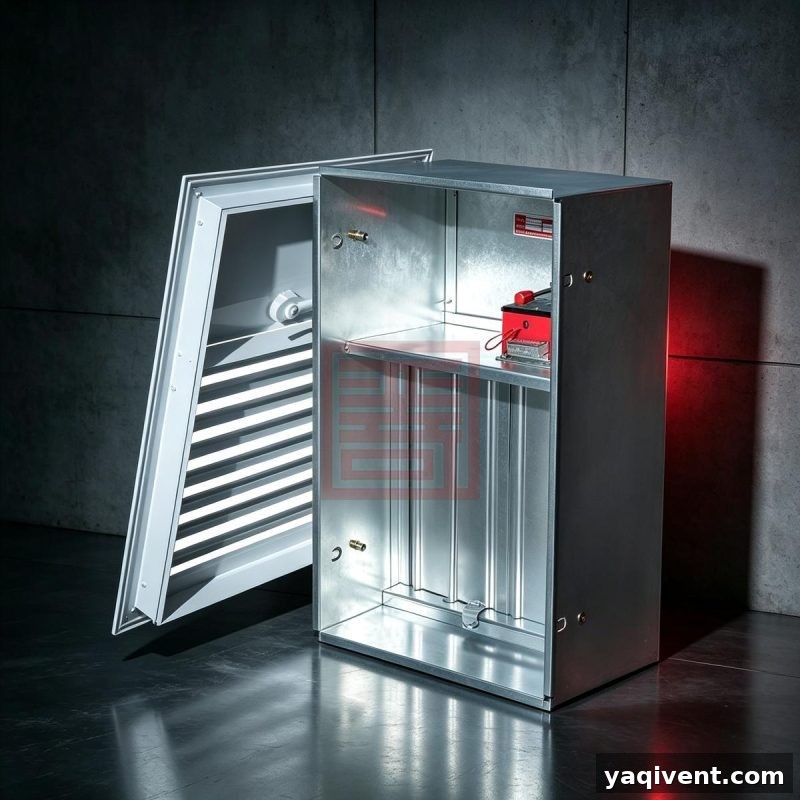
‑ Damper body ‑ Multi‑louver supply air face panel ‑ Blade assembly ‑ Actuator ‑ Connecting flange
3.2 Optional Accessories (please specify requirements upon order)
‑ Position feedback device ‑ Remote‑control actuator ‑ Sealing gasket
4. Manufacturing Process of Pressurization Air Supply Outlet
4.1
Damper body, face panel and blades are fabricated from galvanized steel sheet. Reinforcing stiffeners are added on blades and panel for structural rigidity. Rotating shafts are equipped with wear‑resistant bushings for smooth operation. Actuators are inspected according to fire‑protection standards to ensure stable and reliable signal‑triggered performance.
4.2
Damper flange is integrally bent to form flat mating surface for easy connection with pressurized air‑supply ducts.
Reviews
There are no reviews yet.